The Importance of Asbestos Testing Before Removal
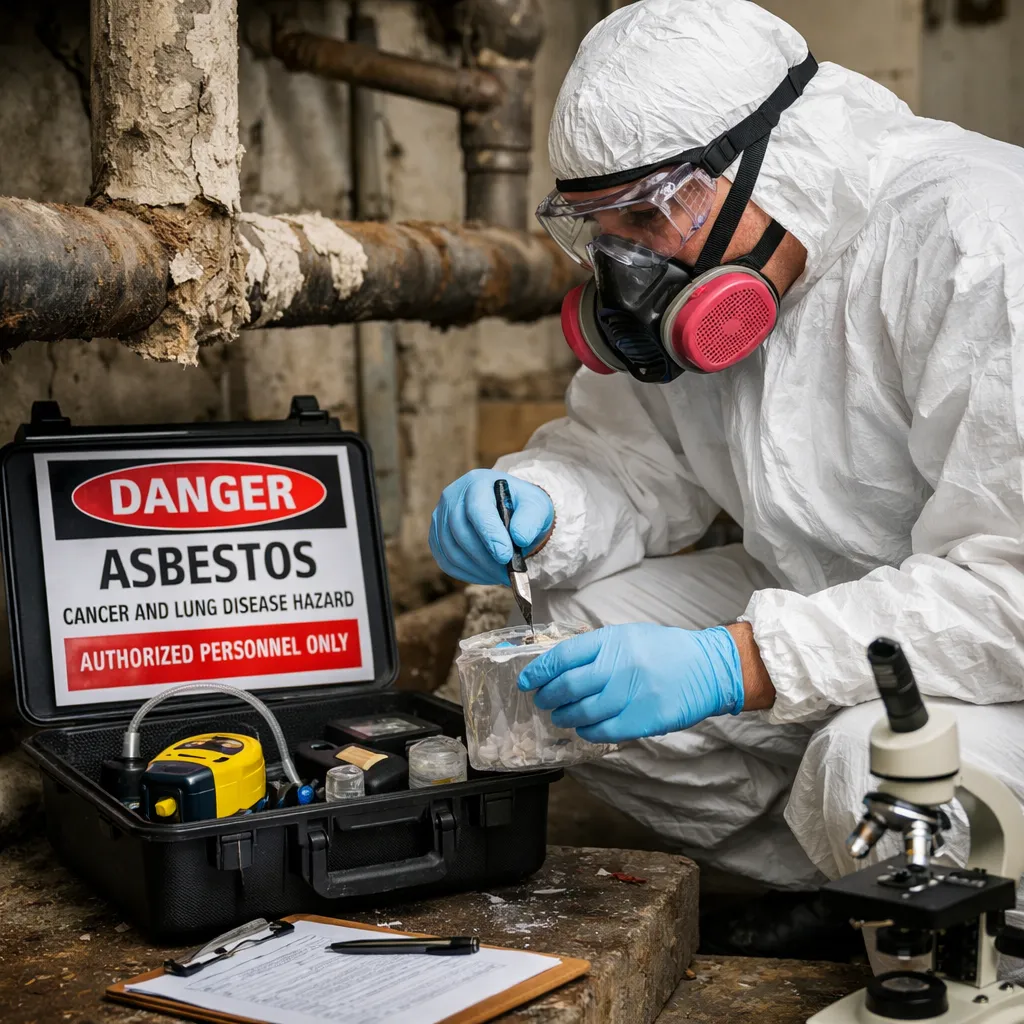
Asbestos testing is a critical step in the removal process, ensuring that hazardous materials are identified before any work begins. This testing helps to ascertain the presence and concentration of asbestos in various materials, which is essential for planning safe removal strategies.
By employing certified professionals for asbestos testing, homeowners can avoid potential health risks associated with exposure. Testing results guide the removal process, ensuring compliance with safety regulations and protecting both workers and residents from harmful asbestos fibers.
Understanding the Risks of Asbestos Exposure
Asbestos exposure poses significant health risks, including lung cancer, mesothelioma, and asbestosis. These diseases often develop after prolonged exposure, making awareness of asbestos-containing materials crucial for homeowners and workers alike.
Notably, the danger increases during renovations or demolitions when asbestos fibers can become airborne. Educating the public about these risks is vital, as it empowers individuals to take necessary precautions and seek professional assistance for asbestos-related issues.
Steps to Choose the Right Asbestos Removal Service
Selecting a qualified asbestos removal service is essential for ensuring safety and compliance with local regulations. Key factors to consider include the company's certifications, experience, and customer reviews, which can provide insight into their reliability and effectiveness.
Additionally, it's beneficial to ask for detailed quotes and timelines from multiple services. This not only helps in understanding the scope of work involved but also aids in making an informed decision based on budget and urgency.
Post-Removal Safety and Environmental Considerations
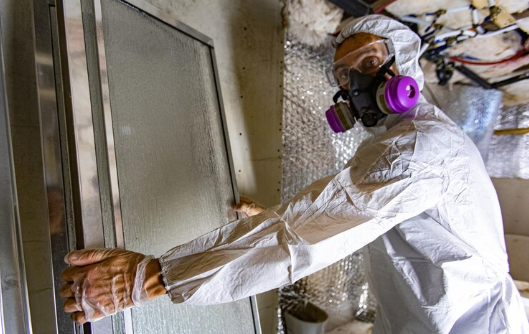
After asbestos removal, ensuring safety and environmental integrity is paramount. Proper disposal of asbestos waste is regulated to prevent environmental contamination, and homeowners should confirm that their service provider follows these guidelines.
Furthermore, conducting air quality tests post-removal can provide peace of mind, confirming that the area is safe for reoccupation. Regular follow-ups and inspections are also recommended to maintain a safe environment in the long term.