

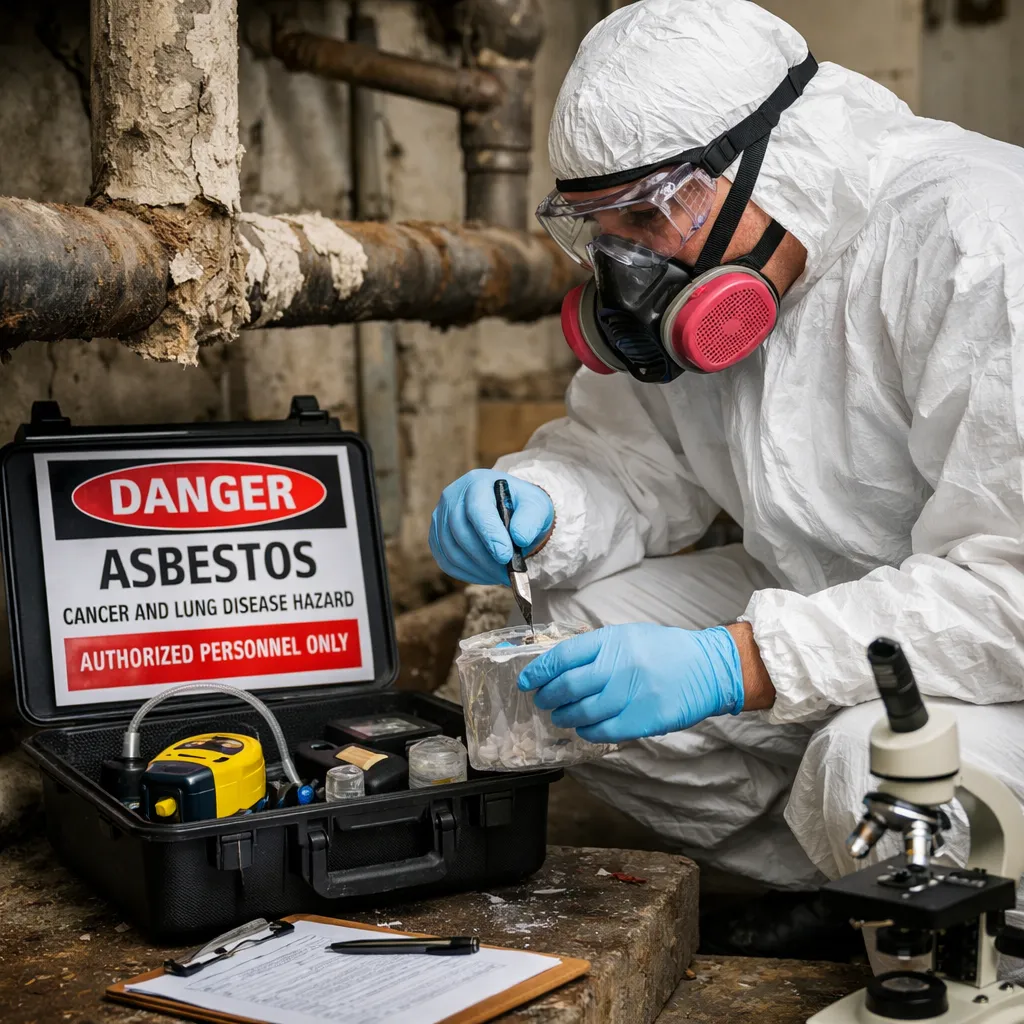
Understanding Asbestos Testing and Its Importance
Asbestos testing is a critical component of occupational health and safety management, particularly in buildings constructed prior to the late 1980s where asbestos-containing materials (ACMs) may be present. If you are planning a renovation or demolition, obtaining asbestos testing in London, Ontario is essential to ensure compliance with provincial regulations and to protect occupant and worker health.
The identification, assessment, and management of ACMs are governed in Ontario by the Occupational Health and Safety Act (OHSA) and specifically by Ontario Regulation 278/05 – Designated Substance – Asbestos on Construction Projects and in Buildings and Repair Operations. These regulations are designed to minimize exposure risks and ensure that all parties involved in construction and maintenance activities are aware of the presence of asbestos and take appropriate precautions.
Regulatory Framework and Compliance Requirements
Under O. Reg. 278/05, building owners, employers, and contractors in cities such as London, Ontario must determine the presence of asbestos prior to any renovation, demolition, or maintenance activities that may disturb building materials. This regulatory framework is comprehensive and mandates strict adherence to safety protocols to prevent asbestos exposure.
Key requirements include:
- Conducting a Designated Substances Survey (DSS) in London, Ontario prior to renovation or demolition
- Maintaining an asbestos management program where ACMs are present or suspected
- Classifying all asbestos-related work as Type 1, Type 2, or Type 3 operations based on risk level
- Ensuring workers are properly trained and equipped with appropriate PPE and engineering controls
- Documenting all findings and actions taken in detailed reports for regulatory review and future reference
- Implementing ongoing monitoring and periodic re-assessment of asbestos-containing materials to manage long-term risks
Failure to comply with these requirements can result in regulatory penalties, project delays, and serious health risks. Moreover, non-compliance can lead to legal liabilities and increased costs due to remediation and health claims.
Asbestos Testing Methodology
A compliant asbestos inspection in London, Ontario follows a structured and controlled approach to ensure accuracy and safety throughout the process. The methodology is designed to minimize fibre release and protect both the inspectors and building occupants. testing inspections and assessments.
- Initial Assessment – A qualified professional with recognized certifications and extensive experience conducts a thorough visual inspection to identify suspect materials based on building age, condition, and application. This step includes reviewing building plans, historical data, and previous asbestos reports to pinpoint potential asbestos locations.
- Bulk Sampling Procedures – Samples are collected in accordance with safe work practices outlined in O. Reg. 278/05, including:
- Wetting materials to minimize fibre release
- Using appropriate PPE (respirators, disposable coveralls)
- Controlling and isolating the sampling area where required to prevent contamination
- Labeling and securely packaging samples to maintain chain of custody
- Laboratory Analysis – Samples are analyzed by accredited laboratories certified by recognized bodies such as AIHA-LAP, NVLAP, or equivalent, using advanced techniques. These results confirm the presence, type, and concentration of asbestos fibres, which are critical for risk assessment and abatement planning.
- Polarized Light Microscopy (PLM) for bulk identification
- Transmission Electron Microscopy (TEM) where higher analytical sensitivity is required
- Additional methods such as Scanning Electron Microscopy (SEM) may be used for detailed fibre characterization
- Wetting materials to minimize fibre release
- Using appropriate PPE (respirators, disposable coveralls)
- Controlling and isolating the sampling area where required to prevent contamination
- Labeling and securely packaging samples to maintain chain of custody
- Polarized Light Microscopy (PLM) for bulk identification
- Transmission Electron Microscopy (TEM) where higher analytical sensitivity is required
- Additional methods such as Scanning Electron Microscopy (SEM) may be used for detailed fibre characterization
Throughout the testing process, strict quality control measures are implemented to ensure reliable and reproducible results. This includes calibration of equipment, proficiency testing of laboratory personnel, and adherence to standardized protocols established by industry-leading organizations.
Health Risks Associated with Asbestos Exposure
Asbestos is classified as a designated substance due to its significant health risks, including:
- Asbestosis (chronic lung disease)
- Lung cancer
- Mesothelioma
- Other respiratory illnesses and pleural diseases
The primary risk occurs when asbestos-containing materials are disturbed, releasing microscopic fibres into the air that can be inhaled. These fibres can become lodged in lung tissue, causing inflammation and scarring over time. Symptoms of asbestos-related diseases often take years or decades to manifest, making early detection and prevention critical.
This is why professional asbestos testing services in London, Ontario are critical before starting any construction work. Proper identification and management of asbestos help prevent accidental exposure and protect the long-term health of workers and occupants.
Sampling and Analytical Techniques
Depending on the scope of work and the specific site conditions, professionals may use a variety of sampling and analytical techniques to assess asbestos presence and risk:
- Bulk Sampling – Identification of asbestos in building materials by collecting physical samples for laboratory analysis
- Air Monitoring (PCM/TEM) – Measurement of airborne fibre concentrations during and after asbestos disturbance activities to ensure safe levels
- Surface Sampling – Detection of residual contamination on surfaces to verify cleanliness post-abatement
- Real-time monitoring technologies may also be employed for continuous assessment during high-risk operations
For Type 3 abatement, post-abatement air clearance testing is typically required in accordance with O. Reg. 278/05 to confirm that airborne asbestos fibre levels are below regulatory limits before re-occupancy.
Risk Assessment and Abatement Planning
Laboratory findings are used to determine: testing inspections and assessments.
- Whether materials meet the definition of ACM (>0.5% asbestos by weight)
- The friability and condition of the material, which affects the likelihood of fibre release
- The appropriate classification of work (Type 1, 2, or 3) based on risk and complexity
- Potential exposure scenarios and necessary control measures
This information is essential for developing a compliant and safe abatement or management plan. The plan outlines specific procedures, timelines, and safety protocols to minimize risk during asbestos removal or encapsulation.
Additionally, risk assessments consider factors such as building occupancy, ventilation, and the presence of vulnerable populations to tailor the abatement strategy accordingly.
Why Compliance Matters
Proper asbestos testing and compliance ensures:
- Protection of worker and occupant health by preventing exposure to hazardous fibres
- Legal compliance with Ontario regulations, avoiding fines and legal action
- Reduced liability for property owners and contractors by demonstrating due diligence
- Smooth project execution without costly delays caused by unexpected asbestos discoveries
- Preservation of property value by maintaining a safe and compliant environment
Asbestos testing is not optional—it is a legal requirement in London, Ontario and across the province before disturbing building materials. Adhering to these regulations reflects a commitment to safety and responsible property management.
Asbestos Testing in London, Ontario – How MSN Environmental Can Help
If you are looking for professional asbestos testing in London, Ontario, MSN Environmental provides reliable, fast, and fully compliant services tailored to homeowners, contractors, and property managers. Our expertise ensures that your project meets all regulatory requirements while prioritizing safety.
We specialize in:
- Asbestos testing and inspection in London, Ontario by certified industrial hygienists and environmental professionals
- Pre-renovation and pre-demolition surveys (DSS London Ontario) conducted according to provincial and federal standards
- Asbestos air testing (PCM & TEM) using accredited laboratory analysis
- Certified asbestos abatement (Type 1, 2, and 3) performed by licensed contractors
- Clearance testing and certificates of completion to verify safe re-occupancy
- Comprehensive reporting and documentation to support regulatory compliance and due diligence
- Consultation and risk assessment services to guide project planning and ensure best practices
Our team is fully certified, insured, and experienced in handling projects of all sizes while ensuring full compliance with O. Reg. 278/05. We use state-of-the-art equipment and follow best practices established by industry authorities to deliver accurate results and effective abatement solutions.
Get Asbestos Testing in London, Ontario Today
If you suspect asbestos in your property or need testing before starting a project, don’t take risks. Early detection and proper management are key to protecting health and ensuring regulatory compliance.
Contact MSN Environmental for Professional Asbestos Testing
ð Reach out to MSN Environmental today for asbestos testing in London, Ontario and get fast, professional results you can trust.
519-590-0140
Request a quote today and ensure your project is safe, compliant, and handled by professionals dedicated to your peace of mind.