

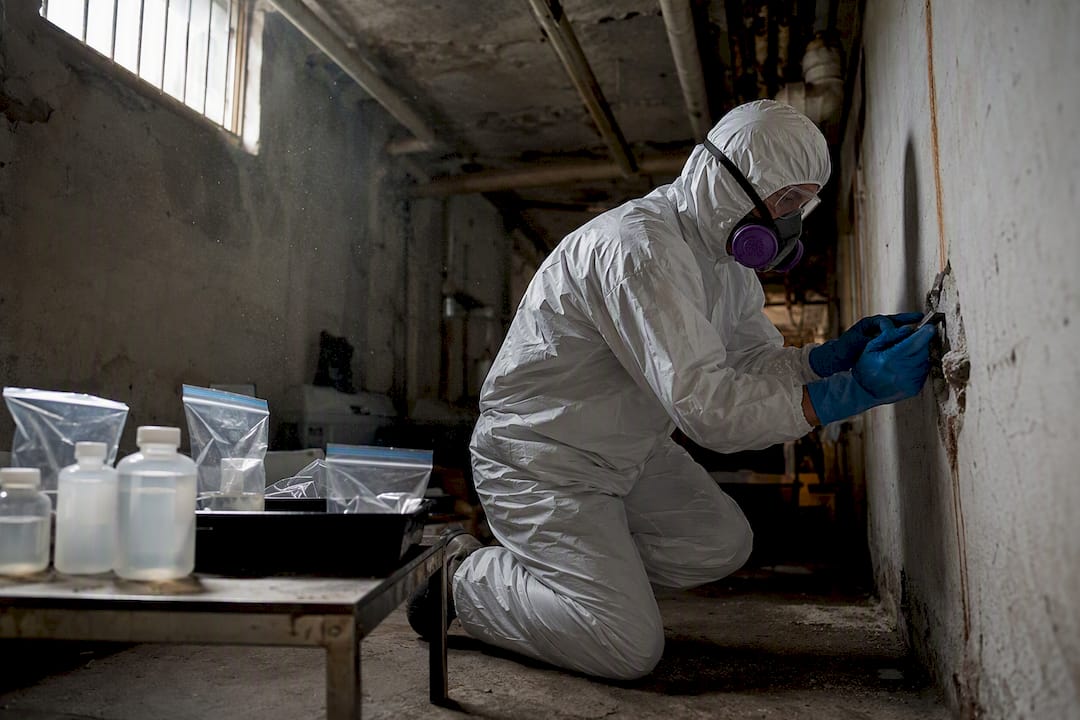
A designated substances survey (DSS) is legally required before demolition, renovation, or any work likely to disturb hazardous materials in a building, under O. Reg. 490/09 and the Occupational Health and Safety Act. That is the answer. There is no grey area here for anyone planning to open a wall, pull a ceiling, or gut a mechanical room in an Ontario building built before the 1990s.
Your next move is straightforward: commission a qualified surveyor before tendering the job, distribute the resulting designated substances report (DSR) to every bidder and contractor, and retain the air monitoring records for as long as the regulation requires. If the assessment shows workers are likely to be exposed to a designated substance, the employer must set up a full control program, covering engineering controls, work practices, hygiene facilities, monitoring, and medical surveillance for certain substances. MSN Environmental handles this end to end for Ontario property owners, from the survey through abatement.
Key Takeaways
Compliance with designated substances survey requirements hinges on early surveying, complete DSR documentation, qualified sampling, and disclosure to every contractor bidding on the work.
| Point | Details |
|---|---|
| Survey before disturbance | Commission a DSS before renovation, demolition, or mechanical work under O. Reg. 490/09. |
| Complete DSR contents | Confirm inventory, condition ratings, sampling methodology, lab accreditation, and chain-of-custody are all included. |
| Disclosure is mandatory | Share the DSR with bidders, contractors, and the JHSC before tendering the job. |
| Qualified monitoring only | Air monitoring must follow Schedule 1 and be directed by a qualified industrial hygiene practitioner. |
| MSN Environmental handles both stages | MSN Environmental provides accredited survey and sampling services plus certified abatement across Ontario. |
Table of Contents
- Designated substances survey requirements: what the report must include
- When you actually need a designated substances survey
- Who’s legally on the hook under O. Reg. 490/09 and OHSA
- Sampling and air monitoring: what compliance actually looks like
- What to do when a designated substances survey comes back positive
- How to hire a qualified surveyor without getting burned
- Timeline and cost: what to budget for
- How MSN Environmental supports Ontario property owners
- A field note on risk and timing
- Where to verify these requirements yourself
- Get a compliant survey done right the first time
- Sources
- FAQ
Designated substances survey requirements: what the report must include
A DSR that skips steps isn’t worth the paper it’s printed on. At minimum, the report needs an inventory of every designated substance identified, its exact location within the building, a condition assessment (intact, damaged, friable), the sampling methodology used, laboratory results, and recommended risk controls.
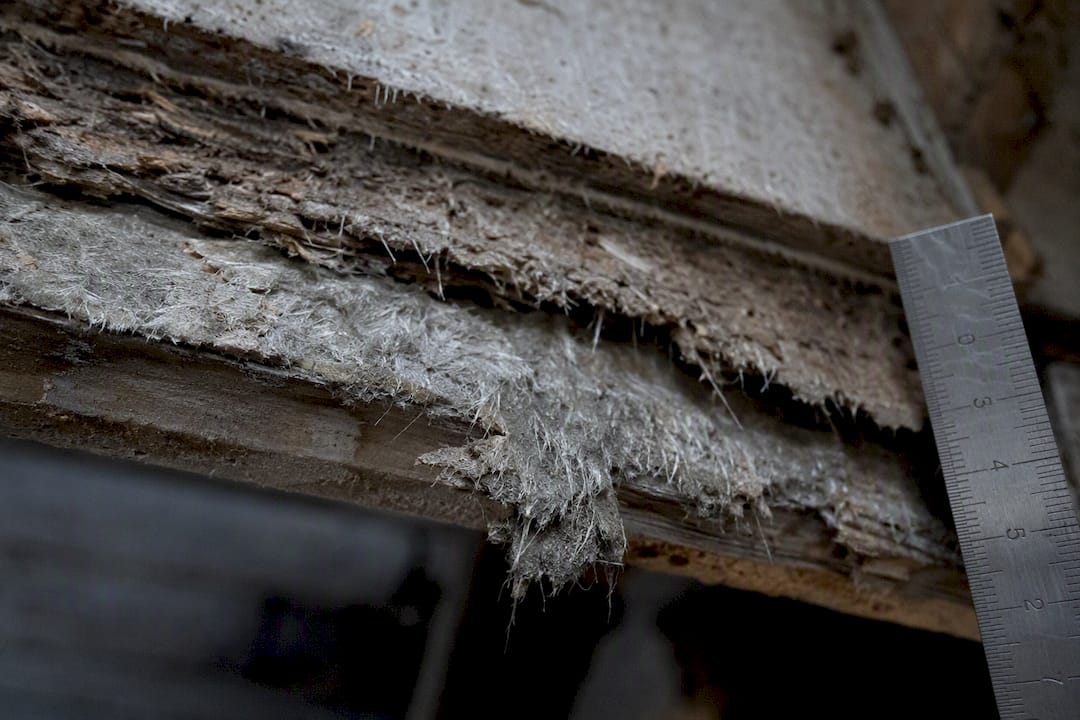
Methodology matters as much as the findings themselves. A credible surveyor documents which sampling method was used, whether it aligns with a recognized industrial hygiene protocol, and which lab processed the samples along with its accreditation and reporting limits. Designated substances reports function as inventories that must be consulted before any work begins, and areas previously flagged as clean sometimes test positive on a second pass, which is exactly why the documentation trail matters.
Before you accept a report as final, confirm it includes:
- A full inventory with locations mapped to floor plans or photos
- Condition ratings for every sampled material
- Sampling methodology and reference standard used
- Lab accreditation details and chain-of-custody forms
- Clear, substance-by-substance risk control recommendations
Pro Tip: Flip straight to the chain-of-custody section before reading the summary. If sample IDs don’t match between the field log and the lab report, or if the lab isn’t named and accredited, the report may not hold up if a regulator or insurer ever asks for it.
| Deliverable | Why it matters |
|---|---|
| Substance inventory | Confirms what’s actually in the building, not just what’s assumed |
| Condition assessment | Determines urgency and whether disturbance is safe |
| Lab chain-of-custody | Protects legal defensibility of the sampling results |
When you actually need a designated substances survey
The trigger is disturbance, not ownership. You need a survey before pre-renovation work, pre-demolition, interior demolition, major mechanical or electrical upgrades, and often during real-estate due diligence when buying, selling, or leasing a commercial property.
Timing matters more than most owners assume. Commission the survey early enough that the DSR can go out with tender documents, not after a contractor has already mobilized.
- Pre-tender: survey completed, DSR drafted and attached to bid packages
- Award stage: contractors price the job knowing exactly what they’re dealing with
- Pre-mobilization: any control program requirements are locked in before crews arrive
- A landlord replacing HVAC in a 1980s office tower needs a survey before the mechanical contractor is even invited to quote.
- A homebuyer purchasing a pre-1990 commercial building should request an existing DSR or commission one during due diligence.
Who’s legally on the hook under O. Reg. 490/09 and OHSA
Ontario’s regulation puts specific, non-negotiable duties on employers and owners. Every assessment must be a written document, and where the Occupational Health and Safety Act requires consultation with the joint health and safety committee, that consultation has to happen before work proceeds, not after.
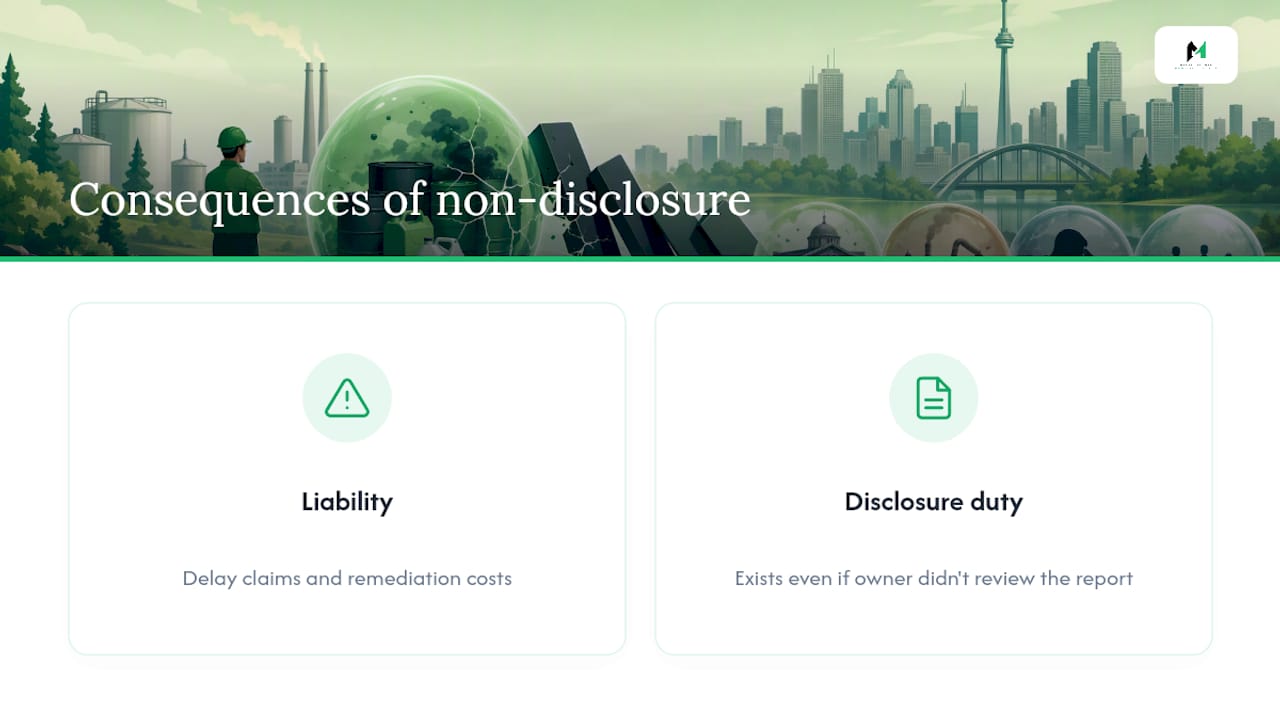
Disclosure is where owners get burned most often. Failing to hand over the DSR to bidders and contractors at tender stage is a common and expensive mistake. If a contractor discovers undisclosed asbestos or lead mid-job, the owner can face delay claims, remediation costs, and regulatory scrutiny all at once, and that liability exists whether or not the owner knew the hazard was there.
- Written assessment required under section 19, recorded and retained
- Control program mandatory when exposure is likely, per O. Reg. 490/09
- DSR must be shared with the JHSC and with contractors bidding on the work
- Air monitoring results generally kept on file for five years and made available to workers and the JHSC on request
Sampling and air monitoring: what compliance actually looks like
Air monitoring can’t be done by just anyone with a pump and a filter. It has to be performed by, or directed by, a person qualified through training and experience in industrial hygiene practice, and the procedure has to comply with Part I of Schedule 1 under the regulation, using a standard method or another approach recognized in the field.
The lab side gets less attention than it deserves. A reputable lab holding ISO/IEC 17025 accreditation backs its results with a documented process a regulator or lawyer can actually verify, and a broken chain-of-custody form can undo an otherwise solid survey.
- Bulk samples (material fragments) versus air samples (fibre or particulate concentration) require different collection protocols
- Representative sampling means testing enough locations to reflect the whole building, not just the easy spots
- Repeat sampling is warranted whenever initial results are borderline or a previously “clean” area gets disturbed further
Pro Tip: Ask any prospective surveyor for their lab’s accreditation certificate up front, not after the invoice arrives. It takes thirty seconds to check and it’s the single easiest way to filter out a weak provider.
What to do when a designated substances survey comes back positive
Finding asbestos, lead, or another designated substance doesn’t mean the project is dead. It means the sequence changes.
- Restrict access to the affected area immediately and notify contractors and occupants
- Determine whether a control program is required based on the likelihood of exposure
- Build the control program: engineering controls, altered work practices, hygiene facilities, ongoing air monitoring, worker training, and medical surveillance for specified substances where applicable
- Hire a certified abatement contractor to remove or manage the material safely
- Run verification (clearance) sampling before anyone reoccupies or resumes work in the space
- Never start demolition or disturbance work until controls and any required permits are confirmed in writing.
- Keep the abatement contractor’s certification and disposal manifests on file alongside the original DSR.
How to hire a qualified surveyor without getting burned
Credentials matter more than price on this one. Look for demonstrated training in industrial hygiene, direct experience applying O. Reg. 490/09 on comparable buildings, verifiable references, and a working relationship with an ISO/IEC 17025 accredited lab.
Ask pointed questions before signing anything:
- What’s the sampling plan, and how many samples does it include?
- What’s the lab’s typical turnaround time?
- What does the final report look like, and is a sample available?
- What insurance coverage is in place, and what safe work practices govern the field visit?
- Define the walk-through scope clearly in the RFP
- Specify expected sampling density so bids are actually comparable
- Require a standard reporting format and full chain-of-custody documentation
Timeline and cost: what to budget for
A straightforward survey usually runs one to a few days on site, depending on building size, followed by lab turnaround before the final report lands. Cost swings on a handful of variables: building age and square footage, sample count, travel distance for the crew, and whether the scope includes extensive air sampling on top of bulk testing.
- Larger or older buildings need more sampling points, which raises both time and cost
- Positive findings that trigger abatement add a separate cost layer beyond the survey itself
- Surveying early, before tender, almost always costs less than discovering a hazard mid-construction and eating a change order
How MSN Environmental supports Ontario property owners
MSN Environmental carries out designated substances surveys, bulk and air sampling, and full reporting for property owners, tenants, and building managers across Ontario, backed by lab partnerships that meet accreditation standards for defensible results.
Beyond the survey, the team handles what comes next: certified abatement, clearance sampling, and interior demolition, so owners aren’t juggling separate contractors for testing and remediation.
- DSS/DSR reporting compliant with O. Reg. 490/09
- Bulk and air sampling with accredited lab partners
- Certified abatement and post-remediation clearance testing
Pro Tip: Book the survey and the abatement quote together when possible. Owners who separate the two steps often lose weeks waiting for a second contractor to mobilize after findings come back positive.
A field note on risk and timing
Intact, undisturbed materials usually pose low immediate risk. That’s not a loophole, it’s the whole reason surveys exist: the moment you cut into a wall or pull a ceiling tile, you change the exposure profile entirely. I’ve seen owners treat an old DSR as permanent proof of safety, when the real trigger is the work itself, not the building’s age.
The practical fix is simple. Survey before you tender, not after a contractor’s crew is standing in the hallway waiting for an answer.
Where to verify these requirements yourself
Read the primary sources before making a final compliance decision on a specific project.
- O. Reg. 490/09 full regulation text
- Ontario’s designated substances workplace guide
- Assessment requirements under section 19
- University of Ottawa’s guidance on DSRs and hazardous material surveys
Use the regulation text for legal duties, the guide for practical steps, and consult an occupational health specialist or legal counsel when a project’s circumstances get complicated.
Get a compliant survey done right the first time
There are other paths here: hire a standalone industrial hygienist for the survey, then source a separate abatement contractor once results come back, and manage the handoff between the two yourself. That works, but it also means two contracts, two schedules, and two firms pointing fingers if something’s missed.
MSN Environmental runs the survey and, if something turns up, the abatement, under one contract and one point of contact. For a property owner juggling a tender deadline, that single handoff often saves more time than shopping around for the cheapest lab quote. The team’s certified hazardous materials removal expertise covers Kitchener, Waterloo, Cambridge, Guelph, Hamilton, London, and surrounding Ontario communities, with sampling backed by accredited lab partners and abatement crews ready to mobilize once findings come in. If you’re facing a renovation or demolition deadline, request testing and inspection services now so the DSR is ready before your tender goes out, not after a bidder finds a problem for you.
This article is general information, not a substitute for advice from a qualified lawyer. Consult a qualified legal professional about your own circumstances before acting on anything here.
Sources
- Designated substances — Regulation 490/09 | e-Laws (Ontario)
- Ontario
- Designated substance reports and hazardous materials surveys | University of Ottawa
FAQ
Is a designated substances survey legally required in Ontario?
Yes. Under O. Reg. 490/09 and the Occupational Health and Safety Act, a survey is required before demolition, renovation, or any work likely to disturb designated substances.
Who can perform air monitoring under O. Reg. 490/09?
Air monitoring must be performed by, or under the direction of, a person qualified through training and experience in industrial hygiene practice, following Part I of Schedule 1.
How long must air monitoring records be kept?
Employers generally retain air monitoring results for five years and must make them available to the joint health and safety committee and affected workers on request.
What happens if an owner doesn’t disclose the DSR to bidders?
The owner risks liability for delay claims and remediation costs if a contractor discovers undisclosed hazards mid-project, since the disclosure duty exists regardless of whether the owner reviewed the report closely.
Can MSN Environmental handle both the survey and the cleanup?
Yes. MSN Environmental provides designated substances surveys, accredited sampling, and certified abatement services under one contract for Ontario property owners.