

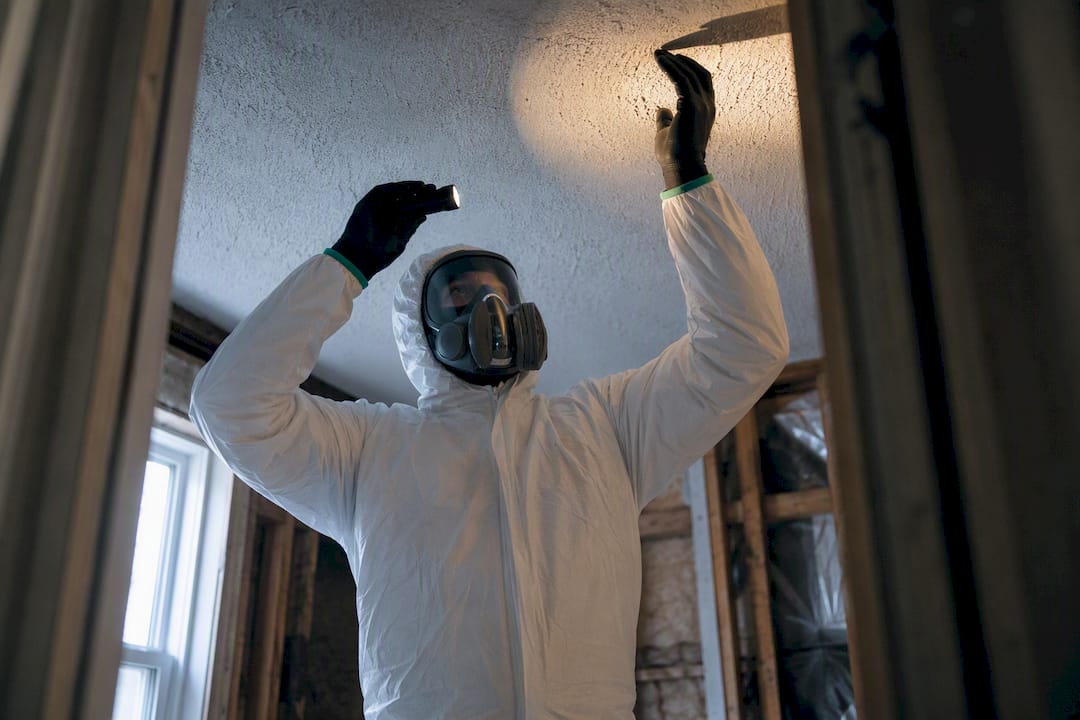
If you suspect asbestos in your London home, stop and don’t disturb the material. Have a qualified consultant test it before you renovate, and hire licensed abatement if it comes back positive. Isolate the area, keep it undamaged and dry, and contact a tester before booking any demolition crew. Ontario’s regulation and CCOHS guidance both point the same direction: test first, act second.
TL;DR:
- Only tested and confirmed asbestos-contains material in good condition remains safe to leave undisturbed, but damage or disturbance releases fibres into the air.
- Ontario law requires property owners to inspect, report, and notify authorities before any renovation or demolition, especially if asbestos is suspected.
- A single asbestos result of 0.5 percent or more by dry weight deems the entire homogeneous area as asbestos-containing, affecting removal procedures and costs.
- Licensed asbestos removal follows strict containment, wet removal, protective gear, and clearance testing, with skipping steps risking house-wide contamination.
- DIY removal without proper controls and clearance poses serious health and legal risks; professional licensed abatement is the safest, most compliant option.
Table of Contents
- How to recognise likely asbestos in older London homes
- Ontario owner responsibilities before renovation or demolition
- How asbestos testing and classification actually work
- What licensed asbestos removal actually involves
- Choosing a qualified asbestos tester and contractor
- Why licensed abatement beats DIY every time
- How MSN Environmental can help with testing and removal
- Sources
- FAQ
How to recognise likely asbestos in older London homes
Homes built or renovated before the early 1990s or earlier are the ones to watch. Asbestos turns up in predictable spots, and knowing them saves you from an accidental disturbance during a weekend project.
Common locations include:
- Pipe and boiler insulation wrapped in a chalky white or grey material
- Vinyl floor tiles and the black mastic glue underneath them
- Textured “popcorn” ceiling finishes applied before the mid-1980s
- Vermiculite loose-fill insulation in attics, often grey-silver and pebble-like
- Cement board siding, soffits, and older furnace ducting insulation
The distinction that matters most is friable versus non-friable. Friable material crumbles by hand and releases fibres easily. Non-friable material, like an intact vinyl tile, stays bonded and generally poses little risk sitting undisturbed. Damage changes everything: a cracked pipe wrap or a drilled ceiling tile can shed fibres into the air you breathe. Materials in good condition that nobody touches rarely release fibres at all, according to CCOHS. The moment you sand, drill, or pry at suspect material, that changes.
If you spot damaged material, leave the room, close the door, and shut off any forced-air return nearby. Don’t vacuum debris. Don’t sweep it.
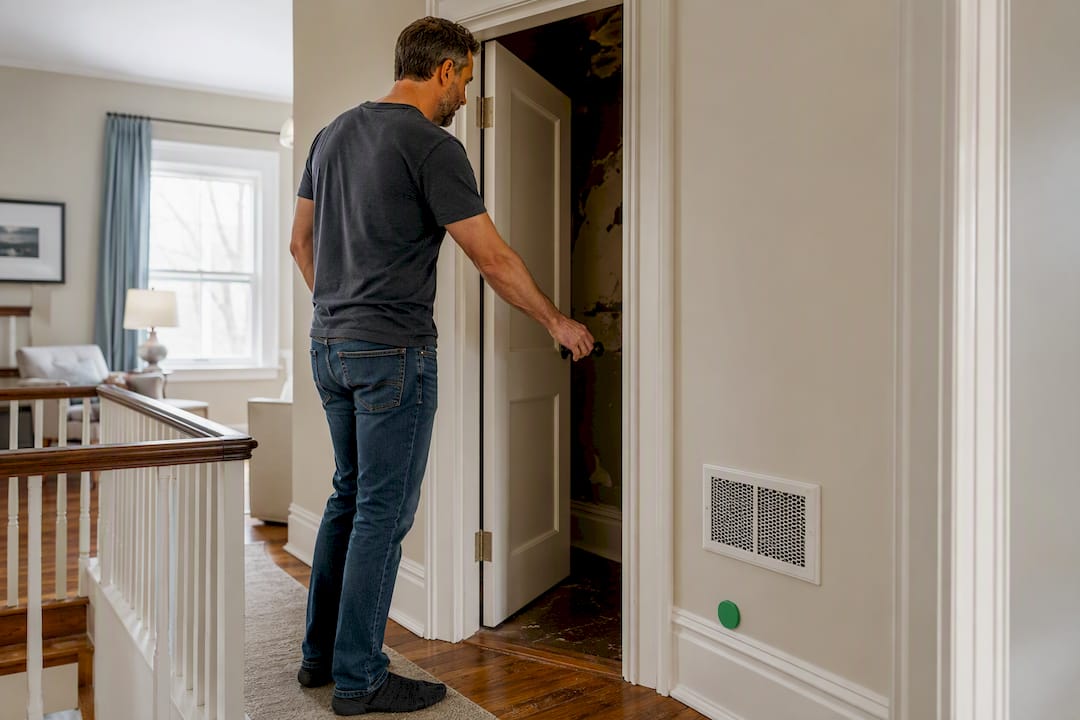
Pro Tip: Take a photo of the suspect material from a doorway rather than getting close. It gives your tester useful context without you touching anything.
For a fuller breakdown of why bonded and crumbling asbestos carry such different risk profiles, see this explanation of friable versus non-friable asbestos.
Ontario owner responsibilities before renovation or demolition
Before you tender a renovation, alteration, or demolition project, Ontario law puts the legal duty on you as the owner, not the contractor. O. Reg. 278/05 requires an examination of the building and a written report before work goes to bid.
That report must state whether the material present is asbestos-containing, describe its condition, and identify its location so contractors can price and plan the job properly. This isn’t paperwork for its own sake. A demolition guide from Ontario confirms that demolition can only proceed once any asbestos-containing material likely to be disturbed has been removed to the extent practicable, and owners must prepare a list of designated substances before the project goes to tender.
Testing carries its own legal weight. Under the regulation, if a bulk sample from a homogeneous area contains 0.5% or more asbestos by dry weight, the entire area is legally deemed asbestos-containing material under Ontario Regulation 278/05. That single number can turn a small patch job into a full-room abatement.
A few duties owners often overlook:
- Arrange the examination and report before tendering, not after work starts
- Keep the report on file and share it with every bidding contractor
- Notify a Ministry of Labour, Training and Skills Development inspector in writing when required, including before certain Type 3 operations begin
- Report unexpected discoveries immediately, even mid-renovation
Finding suspect material after demolition has already started doesn’t excuse you from these steps. Work stops, testing happens, and the report gets written retroactively before anyone continues.
How asbestos testing and classification actually work
Testing starts with a bulk sample, a small piece of the suspect material cut or scraped by a technician wearing appropriate protection. The sample goes to an accredited lab for polarized light microscopy, which identifies asbestos fibre type and calculates the percentage by dry weight.
Hit that threshold in a homogeneous area and the entire area is classified as asbestos-containing under the regulation, regardless of how small the tested sample was. A common and costly mistake is assuming one negative sample clears the entire homogeneous area. Materials aren’t always uniform, and a positive result in one homogeneous area governs the whole area, not just the spot sampled, according to Ontario’s own regulatory guidance.
Once asbestos is confirmed, the work gets classified into one of three tiers, and each carries different notification, training, and control requirements:
- Type 1 — Minor disturbance, such as removing a small section of undamaged asbestos-cement panel with hand tools.
- Type 2 — Larger-scale removal in a contained area, like stripping asbestos floor tile from a whole basement.
- Type 3 — High-risk work such as removing sprayed fireproofing or damaged pipe insulation, requiring full containment, air monitoring, and written notification before work starts.
As risk climbs from Type 1 to Type 3, so do the procedural demands on the contractor. A homeowner planning a basement reno should know which tier their project falls into before a single tile gets pried up. For a deeper look at how sampling and lab results translate into a plan of action, this guide to asbestos testing walks through the process step by step.
What licensed asbestos removal actually involves
Licensed abatement follows a sequence, and skipping steps is exactly how fibres end up airborne in a home that was supposed to get safer, not riskier.
It starts with a pre-work survey confirming exactly what’s being removed and how much. Crews then build containment, usually poly sheeting sealed at every seam, and run negative air pressure with HEPA filtration so fibres can’t migrate to the rest of the house. Workers wet the material down before disturbing it, since dry removal throws far more fibres into the air. Everyone inside wears respirators rated for asbestos work, and waste goes into sealed, labelled bags before it ever leaves the containment zone for disposal at an approved facility.
Clearance happens in two stages: a visual inspection confirming no visible debris remains, followed by a clearance air sample analyzed at a lab. Reoccupation only happens once that sample comes back clean, which usually takes a day or two depending on lab turnaround.
- Expect the work area sealed off, sometimes for several days depending on scope
- Expect noise from negative-air equipment running continuously during the job
- Expect a written clearance certificate before the containment comes down
Pro Tip: Ask your contractor for the clearance air sample results in writing, not just a verbal “all clear.” You want that document on file if you sell the home later.
DIY removal skips every one of these controls, and that’s the real danger. A homeowner with a utility knife and no negative-air setup can turn a contained problem into a house-wide contamination. If you’ve already found suspect material mid-project, here’s what to do first before anyone touches it again.
Choosing a qualified asbestos tester and contractor
Not every company advertising “asbestos removal” carries the credentials that Ontario’s regulation actually requires. A short vetting process now saves you a much longer headache later.
Ask these questions before signing anything:
- Is your lab accredited for asbestos bulk sample analysis, and can I see recent results for similar jobs?
- Have you handled Type 3 operations before, and can you describe the containment setup you’d use here?
- What’s your WSIB coverage and liability insurance, and can I get copies?
- Where does the waste go, and will I get a disposal manifest showing it reached an approved facility?
- Will you provide written clearance test results before I move back into the space?
Request proof of worker training certificates, not just a verbal assurance. A contractor confident in their compliance record hands these over without hesitation.
Pro Tip: A vague one-line quote (“asbestos removal, basement, EX”) is a red flag. A proper scope names the classification type, the containment method, and the disposal process in writing.
Watch for contractors who skip the examination and report step entirely, or who offer to “just remove it quietly” without notification paperwork. That’s not a shortcut. It’s a regulation violation that lands on you as the owner if it’s ever traced back.
Why licensed abatement beats DIY every time
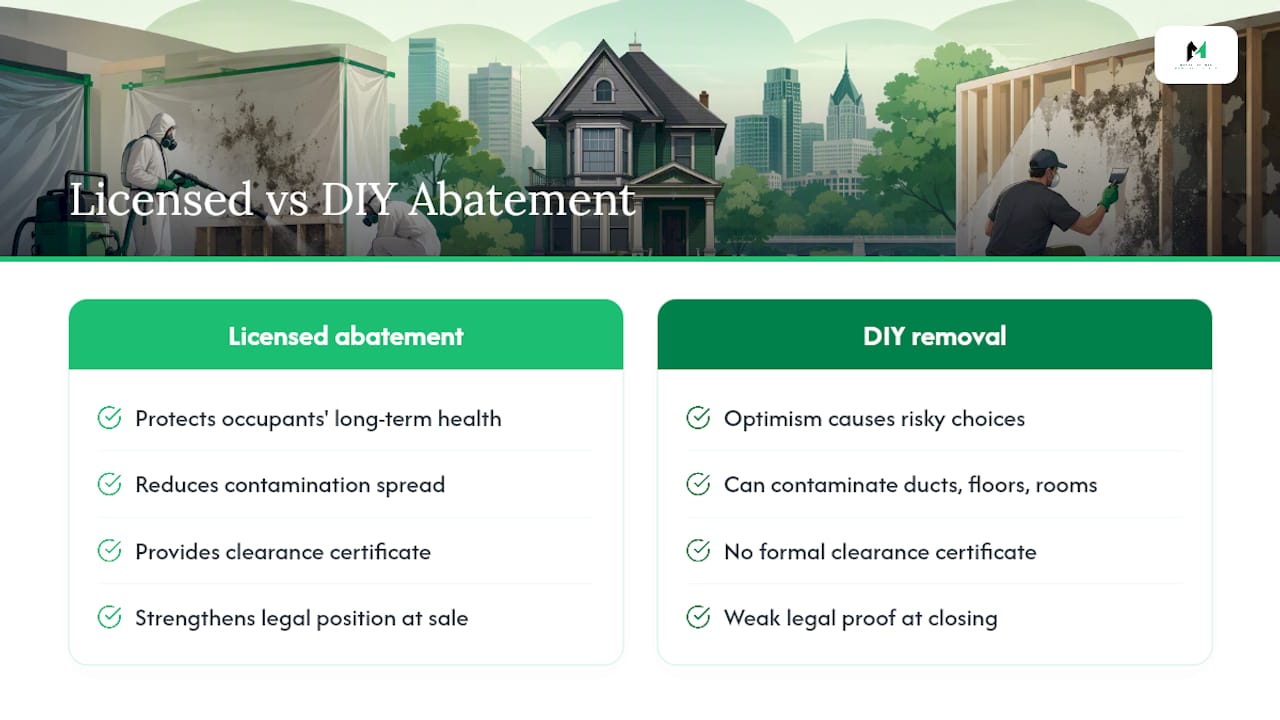
The mistake I see most often isn’t ignorance, it’s optimism. A homeowner finds a small patch of damaged tile, figures it’s contained enough, and pries it up themselves on a Saturday afternoon. That single decision can contaminate ductwork, flooring, and adjacent rooms in a way that costs far more to fix than the original test would have.
Licensed abatement is about protecting the people living in the house long after the contractor leaves, and protecting your legal position if you ever sell. A clearance certificate on file often has more value at closing than informal assurances of safety.
— Moacyr
How MSN Environmental can help with testing and removal
Once you know what you’re dealing with, the next step is booking a qualified specialist for sampling, surveys, and licensed abatement following the containment, HEPA filtration, and disposal standards Ontario’s regulation requires.
Booking starts with a call to arrange sampling, moves through lab results and a written scope, and ends with clearance testing before you move back into the space. Qualified technicians handle Type 1 through Type 3 operations, so whether it’s a single damaged tile or a full basement strip, the crew and containment match the actual risk level. If you’re planning a renovation and want the examination and report step handled properly from the start, the asbestos removal service in London page outlines what to expect and how to get a quote started.
Sources
- Asbestos – In the home | Canadian Centre for Occupational Health and Safety (CCOHS)
- O. Reg. 278/05: Designated substance — asbestos on construction projects and in buildings and repair operations | Ontario
This article is general information, not a substitute for advice from a qualified doctor. Consult a qualified healthcare professional about your own circumstances before acting on anything here.
FAQ
Is it safe to leave old asbestos tile alone?
Yes, if it’s intact and undamaged, since fibres only become a hazard when disturbed. Get it tested before any renovation that would cut, sand, or remove it.
Who is legally responsible for testing before a London renovation?
The property owner, not the contractor, under O. Reg. 278/05. You need an examination and report before the project goes to tender.
What does a 0.5% asbestos result actually mean?
It means the entire homogeneous area sampled is legally classified as asbestos-containing material, even if only one small sample was tested.
Can I remove asbestos tile myself if it’s a small area?
Ontario’s regulation doesn’t set a size exemption for homeowners doing their own removal, and CCOHS specifically advises against disturbing suspected material without a qualified specialist. Hire a licensed contractor rather than assuming a small job is low risk.
How long does licensed abatement take for a typical basement?
It varies by scope, but expect the containment and removal phase plus clearance air sampling to add at least a few days before you can safely reoccupy the space.