

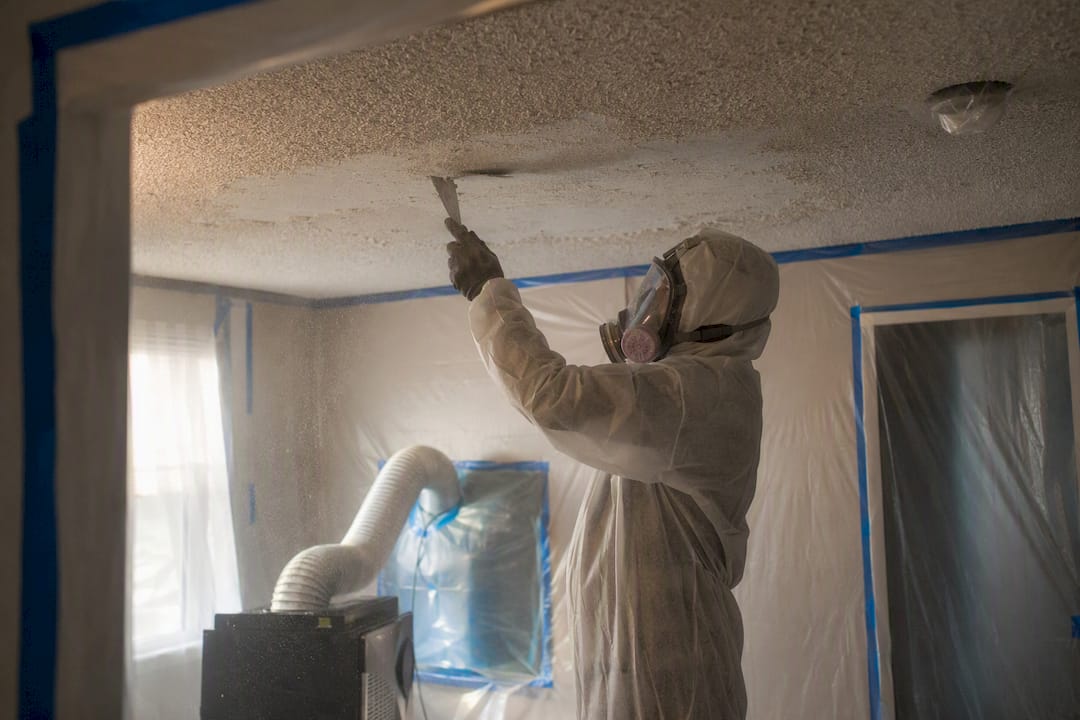
Interior demolition tears out building materials. Abatement removes or contains hazardous materials like asbestos, lead paint, and mould. If your building was constructed before the mid 1980s, or if anyone suspects asbestos, lead, or PCBs are present, abatement has to happen first, or run alongside demolition under strict controls.
- Interior demolition: strips out drywall, flooring, ceilings, and fixtures to reshape a space
- Abatement: identifies, removes, or contains regulated hazardous materials before they can spread
Skipping that sequence isn’t just risky. Disturbing regulated materials during demolition can spread contaminants through an entire building, turning a routine reno into a costly cleanup.
Key Takeaways
Interior demolition removes building materials while abatement removes or contains hazardous substances, and abatement must clear before demolition touches contaminated areas.
| Point | Details |
|---|---|
| Know the core difference | Demolition reshapes spaces; abatement handles asbestos, lead, mould, and PCBs. |
| Test before you demolish | Buildings from before the 1980s need a hazardous-materials survey first. |
| Verify contractor credentials | Licensed technicians, written safety plans, and clearance testing are non-negotiable. |
| Budget for sequencing delays | Abatement can add some additional time before demolition crews start. |
| Choose integrated service providers | MSN Environmental coordinates abatement and interior demolition under one scope to avoid handoff delays. |
Where to verify the details
- WorkSafeBC’s asbestos guidance covers regulatory exposure controls
- LegalClarity’s permit and hazmat overview explains notification requirements
- Verified’s professional services directory helps confirm contractor credentials
Table of Contents
- Interior demolition vs abatement: definitions and scope
- When does a renovation actually need abatement?
- Who is licensed to do this work?
- What does the process look like from start to finish?
- What drives cost and timeline on a typical project?
- How do you plan and hire without getting burned?
- When does hiring a certified abatement specialist make sense?
- Renovating safely starts with the right team
- Sources
- FAQ
Interior demolition vs abatement: definitions and scope
Interior demolition is the controlled removal of non-structural interior elements while the building envelope stays intact. Think partition walls, drop ceilings, old flooring, cabinetry, and fixtures. Crews call the lightest version a “soft strip”, where finishes and fittings come out but framing stays put, and the heavier version “hard strip demolition”, which can include non-load-bearing walls and built-ins.
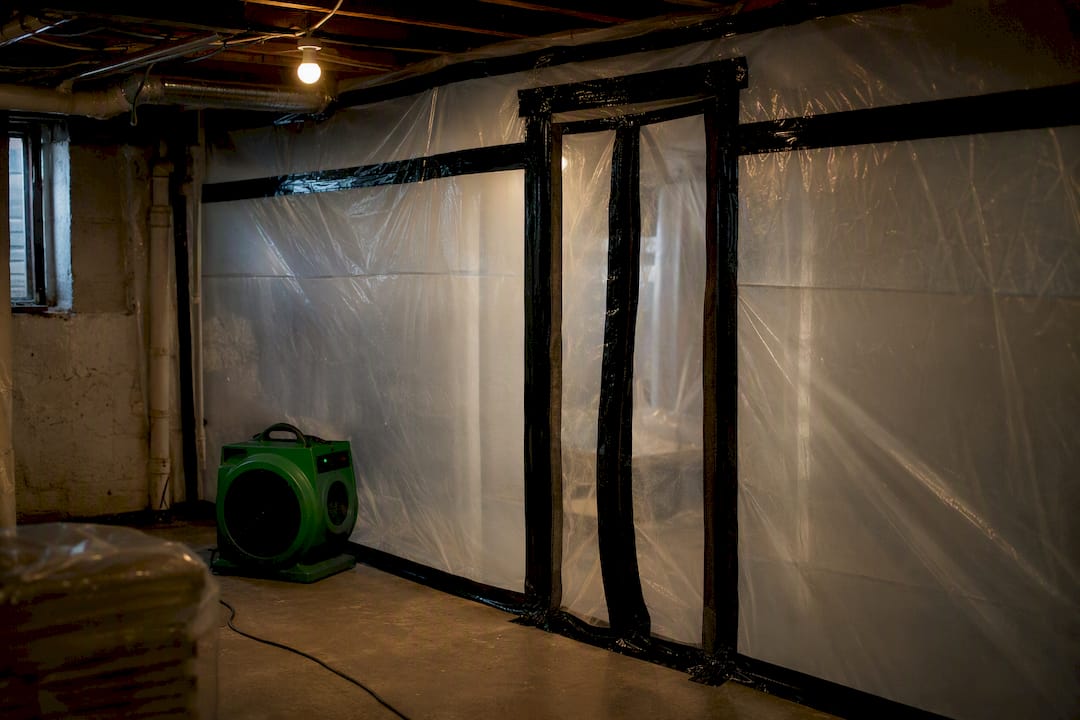
Abatement is a different job entirely. It’s the removal or mitigation of hazardous materials such as asbestos, lead paint, mould, and PCBs, and it relies on containment, negative air pressure, and HEPA filtration rather than sledgehammers. Common abatement targets include asbestos floor tile adhesive, pipe insulation wrapped decades ago, drywall joint compound, and textured “popcorn” ceilings.
| Dimension | Interior demolition | Abatement |
|---|---|---|
| Primary goal | Remove or reconfigure interior building elements | Remove or contain regulated hazardous materials |
| Materials removed | Drywall, flooring, ceilings, cabinetry, fixtures | Asbestos-containing material, lead paint, mould, PCBs |
| Typical safety controls | Dust control, PPE, basic containment | Negative air, HEPA filtration, sealed containment, air monitoring |
When does a renovation actually need abatement?
Certain signals should stop demolition plans in their tracks until testing happens. Buildings from before the 1980s are the biggest red flag, since older structures frequently hide asbestos in floor tiles, ceiling treatments, pipe insulation, and drywall compound.
Watch for these signs before you swing a hammer:
- Textured or “popcorn” ceilings, especially untouched since original construction
- 9×9 or 12×12 vinyl floor tiles, or black mastic underneath
- Wrapped or painted pipe insulation in basements and mechanical rooms
- Water stains or musty odours that suggest hidden mould behind finishes
- Any renovation permit application flagged for a hazardous-materials review
The only reliable move is to test before you demolish. A pre-demolition hazardous-materials survey with bulk sampling tells you exactly what you’re dealing with, and where. When asbestos-containing material or lead paint comes back confirmed, licensed abatement isn’t optional. Some low-risk, encapsulated materials can occasionally be managed with containment alone, but that call belongs to a qualified assessor, not a guess.
Pro Tip: Order testing before you sign a demolition contract, not after. A survey usually costs far less than a stop-work order issued mid-project.
Who is licensed to do this work?
Interior demolition crews and abatement specialists are not interchangeable, and mixing them up is one of the most expensive mistakes a renovator can make. General demolition or deconstruction contractors handle the structural teardown. Licensed abatement technicians, trained specifically in asbestos, lead, or mould handling, handle anything regulated.
Expect these credentials from a legitimate abatement firm:
- A provincial asbestos abatement licence where required, along with WorkSafe-aligned training records
- A written safety plan and scope of work before any containment goes up
- Proof of insurance and current certificates of insurance
- A commitment to third-party or in-house air monitoring and clearance testing before re-occupancy
| Point | Details |
|---|---|
| Ask for licences upfront | A legitimate abatement contractor produces provincial licensing without hesitation. |
| Demand a written scope | Verbal agreements leave no record if hazardous materials turn up mid-job. |
| Confirm clearance testing | Air monitoring after removal proves the space is safe before demolition resumes. |
| Check disposal manifests | A documented chain of custody for hazardous waste confirms materials went where they were supposed to. |
What does the process look like from start to finish?
Abatement and demolition follow different rhythms, and understanding both helps you plan a realistic schedule.
Abatement sequence:
- Hazardous-materials survey and lab sampling
- Written work plan, permits, and any required regulatory notifications
- Containment setup with negative air machines and sealed barriers
- Wetting and careful removal of the regulated material
- Waste bagging, manifesting, and disposal at an approved facility
- Clearance air testing before the space is declared safe
Interior demolition sequence:
- Utility shutdown (electrical, plumbing, gas)
- Soft strip of finishes, fixtures, and non-structural elements
- Mechanical demolition of remaining interior components
- Waste sorting, salvage where feasible, and disposal
When hazards are confirmed, abatement finishes and clears before demolition crews move in on that area. Regulations typically require licensed abatement professionals to remove hazardous material using containment and prescribed methods before demolition proceeds, not the other way around.
Pro Tip: Hazardous materials hide behind drop ceilings and inside wall cavities more often than owners expect. Older pipe insulation and joint compounds can conceal asbestos even when the visible finish looks modern, so budget extra time for surprises.
What drives cost and timeline on a typical project?
Cost swings depend on how much regulated material is present, how hard it is to access, and how much containment the job needs. A single room of asbestos-backed drywall runs a fairly quick turnaround, often a few days including clearance testing. A whole-house floor tile abatement, especially with mastic underneath multiple layers, stretches into a week or more before demolition can even start.
- Presence and volume of regulated material (small vs whole-floor)
- Access difficulty (finished basements, tight mechanical rooms)
- Negative air and HEPA equipment requirements
- Disposal fees and manifesting for hazardous waste
- Specialized labour rates versus standard demolition crews
- Permit and notification fees, which vary by municipality
Testing and survey lead time often adds a week before any physical work begins. Factor that into your renovation calendar early, especially if trades are already booked for the weeks following demolition.
How do you plan and hire without getting burned?
A short checklist keeps you from hiring the wrong contractor for the wrong job:
- Get a pre-demolition hazardous-materials survey before requesting quotes
- Insist on a written scope of work covering both abatement and demolition
- Confirm permits and notifications are filed under the contractor’s name
- Ask for proof of insurance and provincial licensing
- Request sample waste manifests from past jobs
- Confirm clearance testing is included, not billed as an add-on
Ask contractors directly: how many abatement jobs have you completed this year? Who performs your air monitoring? What happens if you find asbestos behind a wall you didn’t expect? A contractor who coordinates with salvage and recycling partners when materials are safe to reclaim is usually more organized across the board.
Walk away if a contractor can’t produce a licence on request, dodges questions about clearance testing, or refuses to put the safety plan in writing. Those are the projects that end up in the news for the wrong reasons.
When does hiring a certified abatement specialist make sense?
Any time regulated material is confirmed or reasonably suspected, a certified specialist should lead that portion of the work. This matters most when demolition and abatement need to happen in the same space on the same timeline, since a firm that handles both avoids the handoff delays that happen when two separate contractors have to coordinate schedules and liability.
Expect a qualified firm to bring:
- Licensed technicians trained specifically in asbestos, lead, and mould handling
- Negative air machines and HEPA filtration on every containment
- Documented air monitoring and clearance reports before re-occupancy
- Waste manifests tracking disposal from removal to final facility
On a typical basement renovation, a firm that surveys, abates the asbestos tile, and then demolishes the remaining framing in one continuous sequence can finish in roughly the time it would take just to schedule two separate contractors. MSN Environmental coordinates both sides of that work for residential and commercial properties across Ontario.
Pro Tip: Ask any firm bidding on combined work how they sequence abatement clearance with demolition start dates. A vague answer usually means separate crews, separate schedules, and separate delays.
A short note on getting the order right
Getting the sequence backwards costs more than money. I’ve seen enough renovation planning go sideways to know that testing early and hiring a licensed specialist when hazards turn up isn’t caution for its own sake. It’s the difference between a renovation that finishes on schedule and one that gets shut down halfway through.
Renovating safely starts with the right team
Plenty of renovators try to manage demolition and abatement as two separate hires, chasing quotes from a general contractor and then scrambling to find a licensed abatement specialist once testing comes back positive. That split approach is exactly where schedules fall apart. MSN Environmental handles both under one scope of work, so testing, containment, removal, clearance testing, and the demolition that follows all run on the same timeline instead of three.
That matters most in older properties across Kitchener, Waterloo, Cambridge, Guelph, Hamilton, and the surrounding region, where asbestos and lead paint show up more often than owners expect. MSN Environmental’s technicians handle asbestos, mould, lead paint, PCBs, and more, backed by negative air containment, HEPA filtration, and documented clearance reports before any demolition crew steps in. If your renovation is anywhere near a hazardous-materials question mark, start with a professional hazardous materials assessment rather than a demolition quote. Book a survey first, and let the results decide what comes next.
Sources
- Asbestos – WorkSafeBC
- Interior demolition requirements: permits, hazmat & safety – LegalClarity
- Interior demolition: scope, process, and contractor selection
- Key considerations for commercial interior demolition projects – DonsDemolition
FAQ
What does “interior demolition” mean?
Interior demolition is the controlled removal of non-structural interior elements, like drywall, flooring, ceilings, and fixtures, while the building’s exterior shell stays intact.
What are the three types of demolition?
Demolition is generally grouped into manual demolition (hand tools for selective removal), mechanical demolition (equipment for larger structural elements), and deconstruction (careful disassembly aimed at salvaging materials).
What are the two types of demolition?
At the simplest level, demolition splits into interior demolition, which strips finishes and non-structural elements, and structural or complete demolition, which removes load-bearing components or the entire building.
How long does it take to demolish a 30 by 40 foot house?
Timelines vary widely based on structure size, materials, and whether abatement is needed first, but a hazardous-materials survey alone can add roughly a week before demolition even starts.
Do I need abatement if my house was built after 2000?
Newer construction carries lower risk, but mould and lead paint from prior renovations can still be present, so a quick assessment is worth confirming before demolition begins.